12.000+
exhibits
550+
computers
660+
donors
Choose how you would like to discover the Museum!
🕘 Can we visit now?
Όχι ακόμα, αλλά κοντεύουμε!Ανοίγουμε σε 53 λεπτά, στις 09:00.



Don't miss these!
The standout exhibits we recommend exploring online — and then seeing up close at the Museum.
exhibits
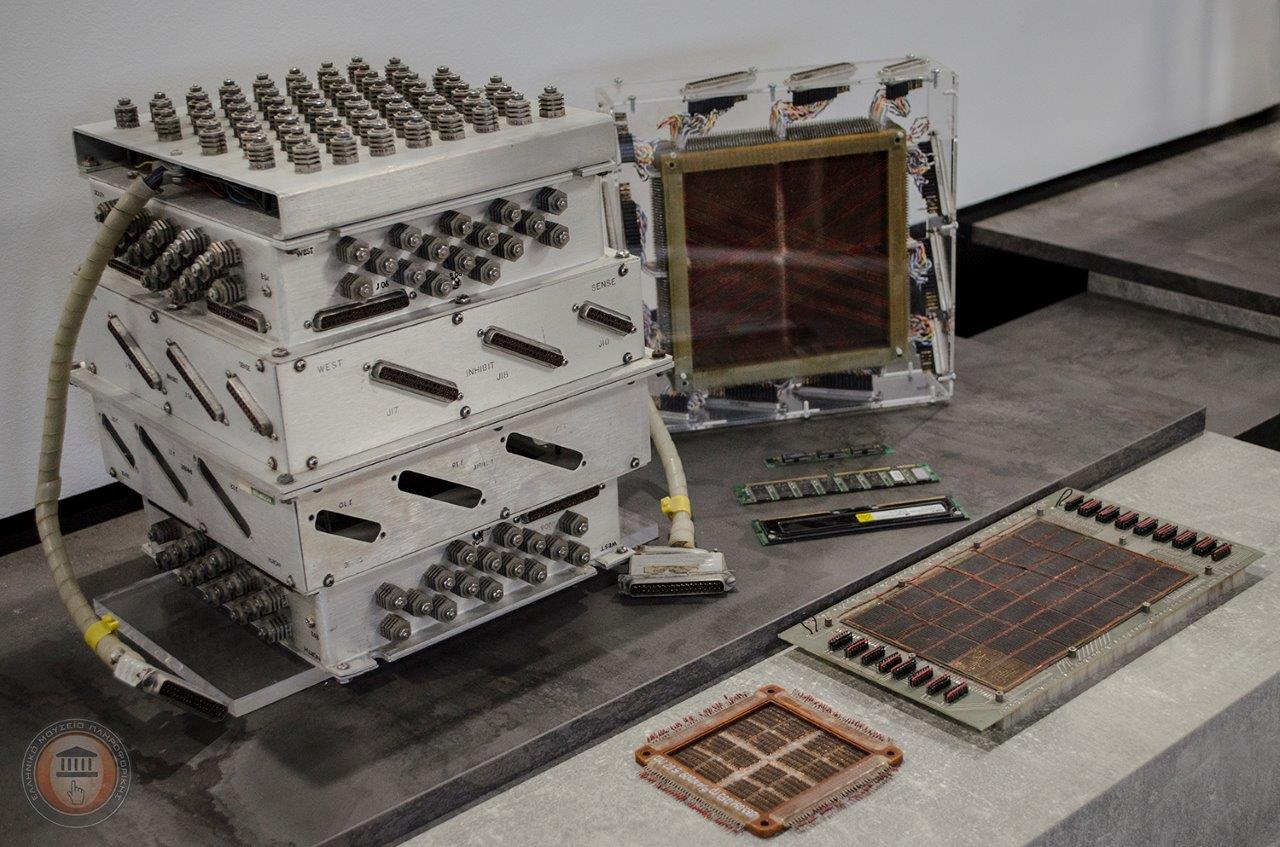
Μνήμη Μαγνητικού Πυρήνα – Control Data 4ΚΒ
1950s–1970sThe earliest memories were hand-woven under a microscope.
Magnetic-core memory consisted of tiny ferrite rings threaded with fine wires. The magnetic orientation of each core represented a binary digit, either 0 or 1. It was reliable, retained information without electrical power and was widely used in mainframes, military systems and space applications.
View exhibit →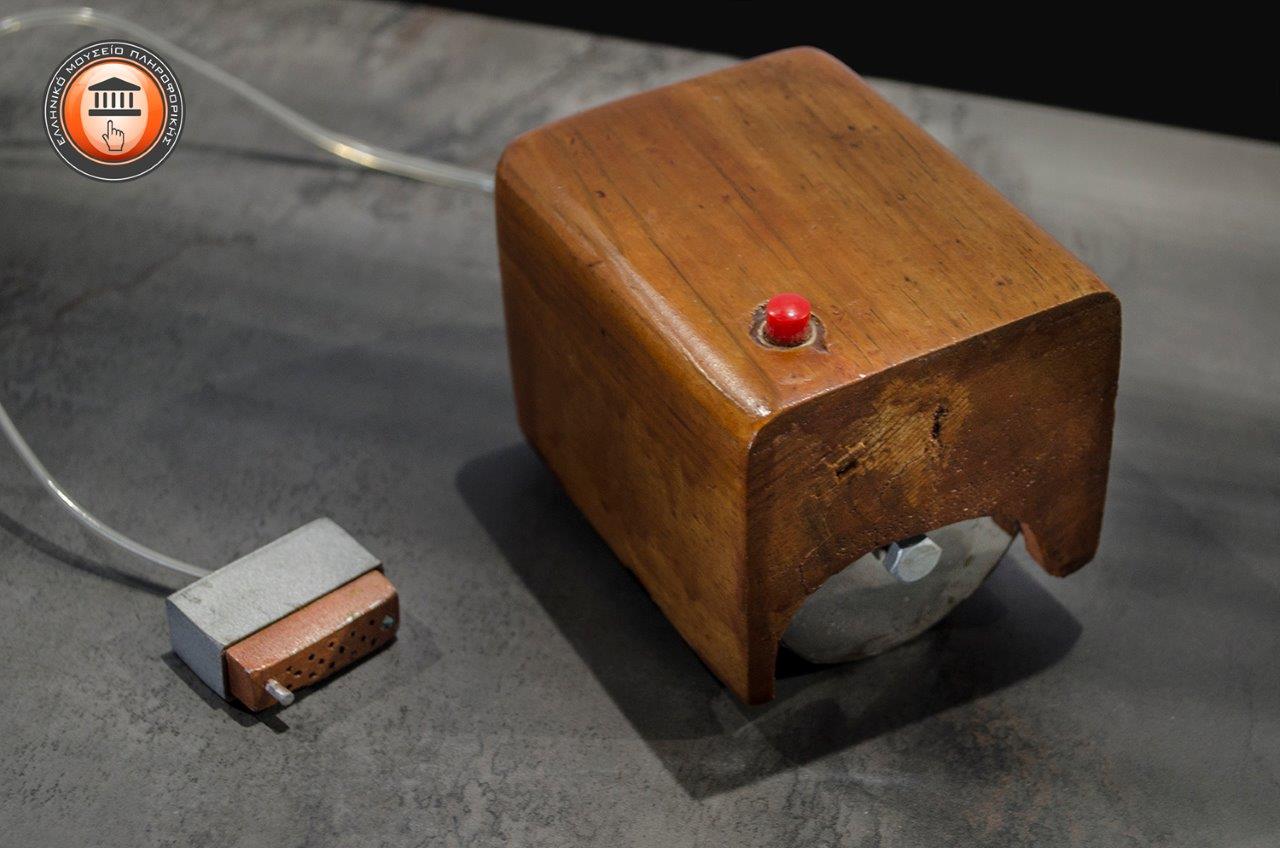
exhibits
Το Πρώτο Ποντίκι Υπολογιστή
1964 – Publicly demonstrated in 1968It introduced direct on-screen pointing, transforming how people interacted with computers forever.
The first computer mouse was developed at the Stanford Research Institute as part of Douglas Engelbart’s research and was built by Bill English. Its wooden casing contained two perpendicular metal wheels that measured horizontal and vertical movement. It was publicly demonstrated in 1968 during the historic presentation later known as “The Mother of All Demos.”
View exhibit →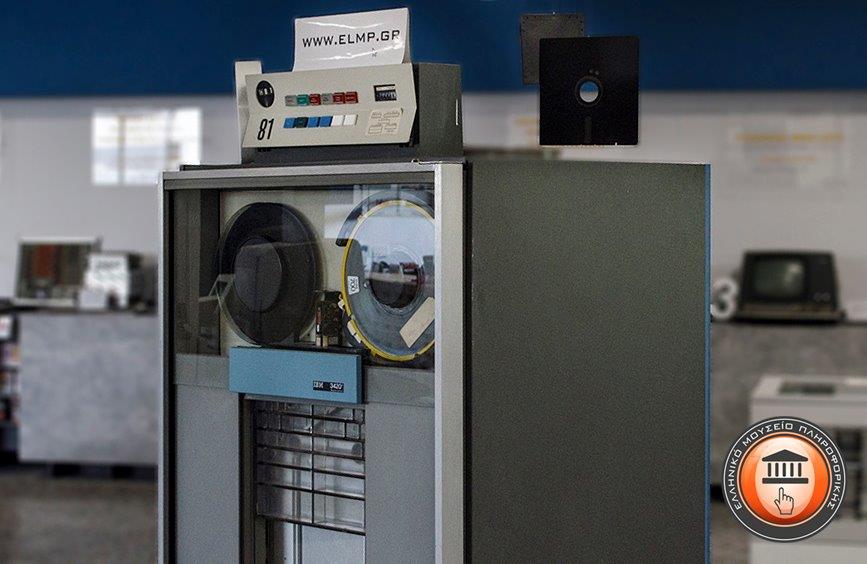
exhibits
IBM 3420 Magnetic Tape Unit
Introduced in 1970 – 1970s–1980sIt stored vast quantities of data during the era of IBM mainframe computing.
A wardrobe-sized storage unit from the age of large computer centres. It stored enormous amounts of data for its time on open reels of magnetic tape. Its moving tape, read heads and mechanisms reveal the mechanical side of computing. A photograph cannot convey its true scale — you need to stand beside it.
View exhibit →
exhibits
Osborne 1-Rev B
1981It is regarded as the first commercially successful mass-produced portable computer.
One of the earliest commercially successful mass-produced portable computers. It weighed about as much as a packed suitcase and had a screen only five inches wide. It was sold with an unusually generous bundle of professional software. At the Museum, you discover what “portable computer” truly meant in 1981.
View exhibit →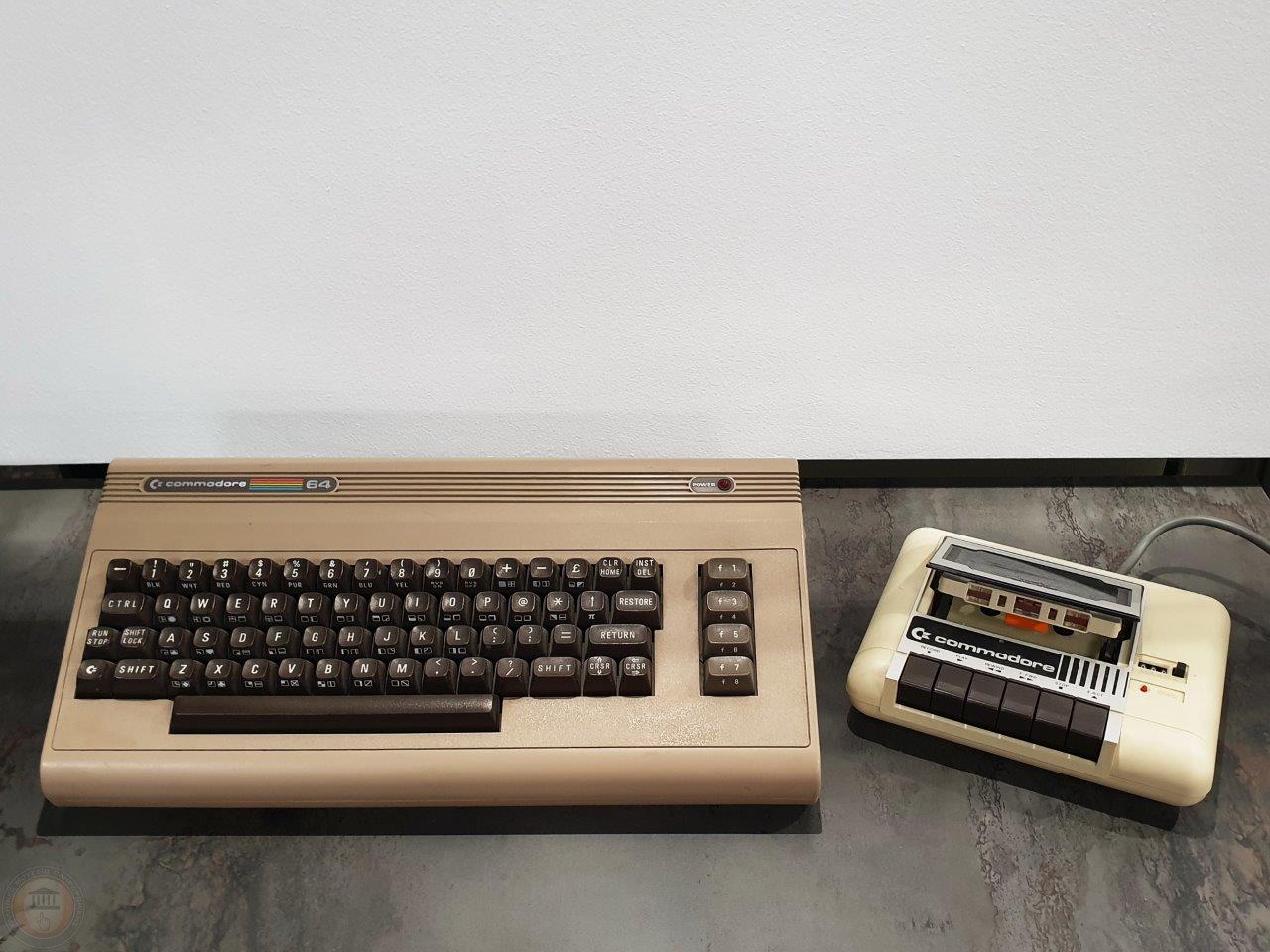
exhibits
Commodore 64
1982It brought programming, gaming and personal computing into millions of homes worldwide.
One of the most successful and beloved home computers in history. It combined an affordable price with remarkable graphics and sound for its time. For millions of people, it was their first introduction to programming and video games. Seen in person, it brings back memories and shows younger visitors how home computing began.
View exhibit →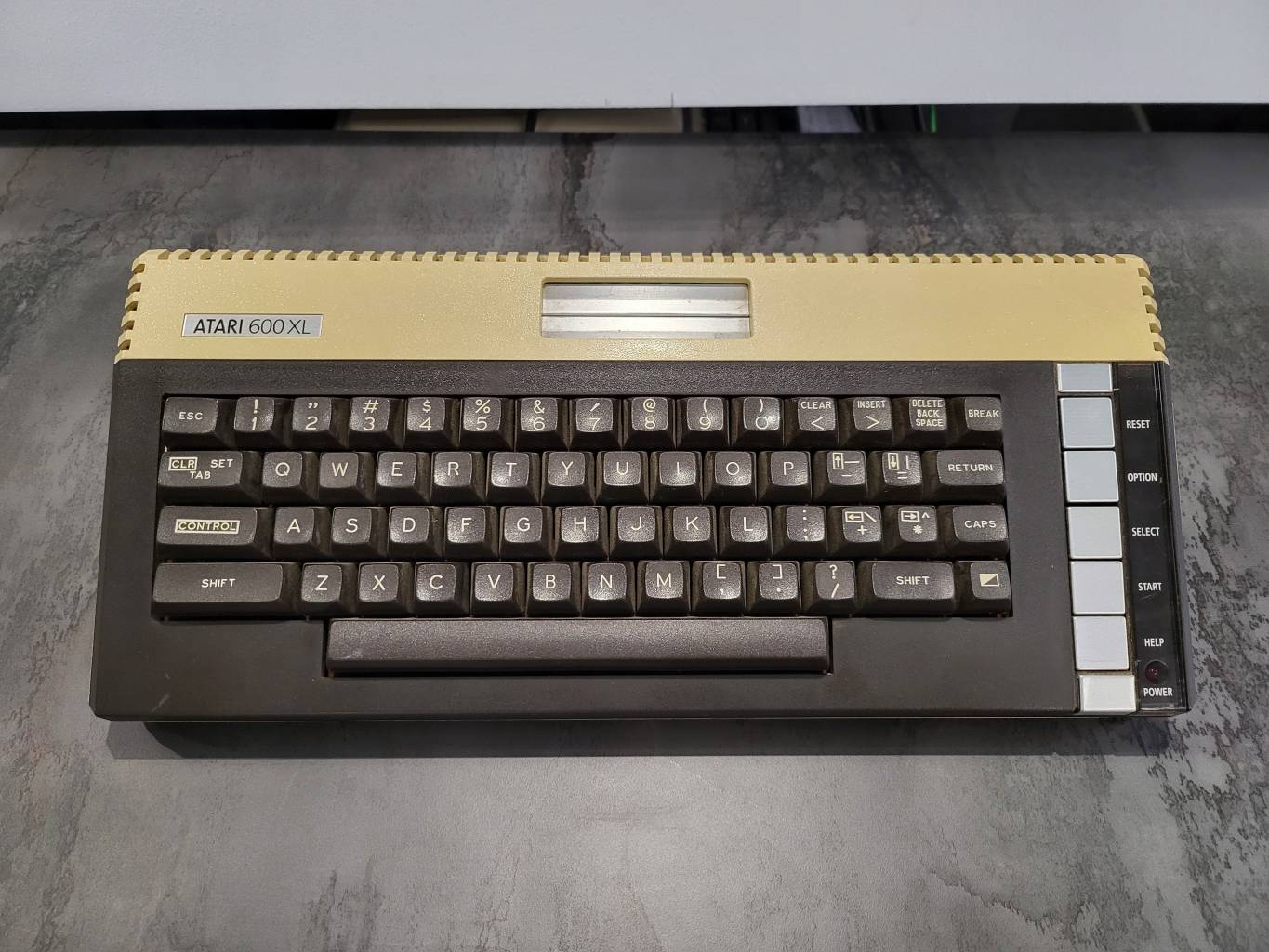
exhibits
Atari 600XL
1983It represents an era when the family television also became the computer monitor.
A compact and elegant home computer from Atari’s famous XL family. It included BASIC and could be used for games, education and programming. It represents an era when the family television also became the computer monitor. At the Museum, you can see how Atari attempted to bring computing into every home.
View exhibit →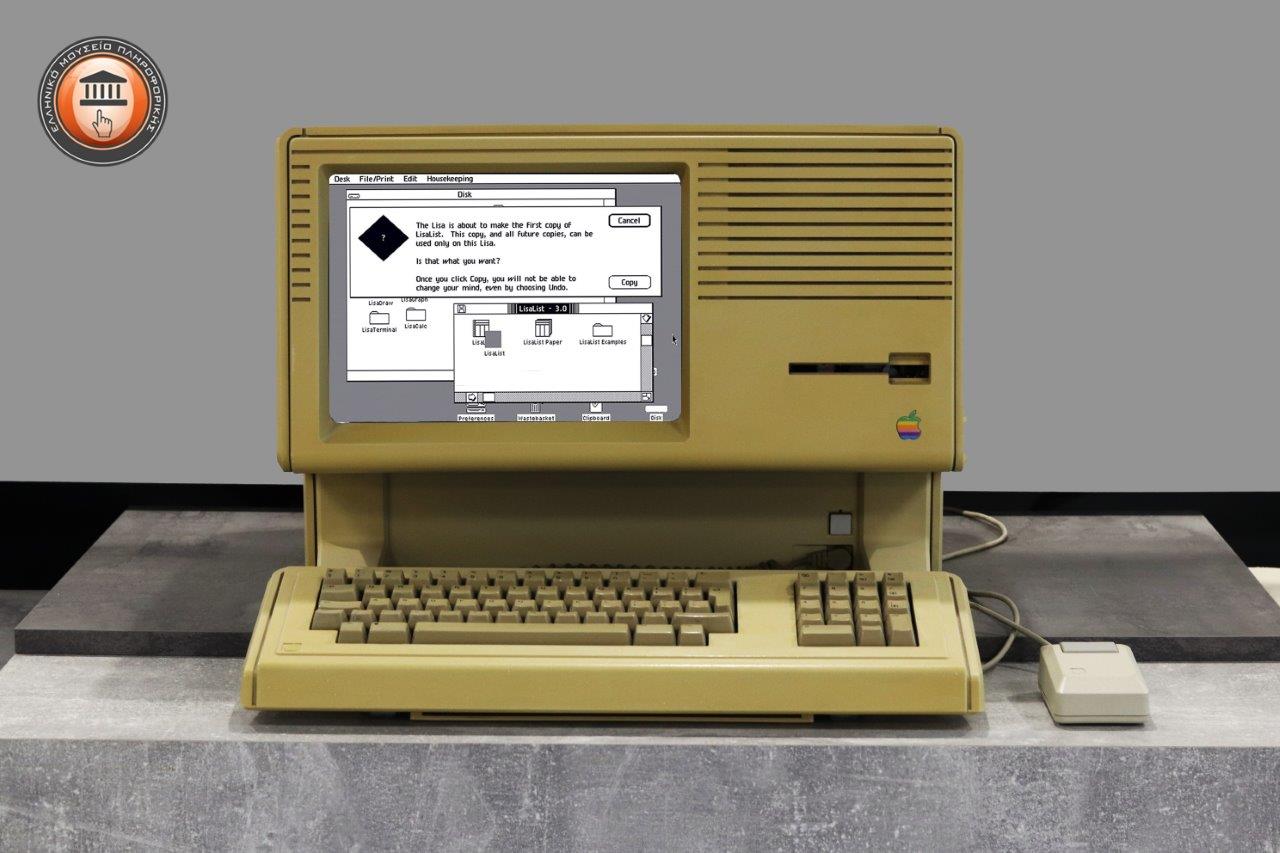
exhibits
Apple Lisa 2/10
1984It advanced graphical interfaces and mouse-based interaction in personal computing significantly.
The Lisa 2/10 was an improved version of Apple’s pioneering Lisa personal computer. It featured a Motorola 68000 processor, a graphical desktop environment, a mouse, a 3.5-inch floppy drive and an internal 10 MB hard disk. Although the Lisa family was not commercially successful, it strongly influenced the Macintosh and the later adoption of graphical user interfaces.
View exhibit →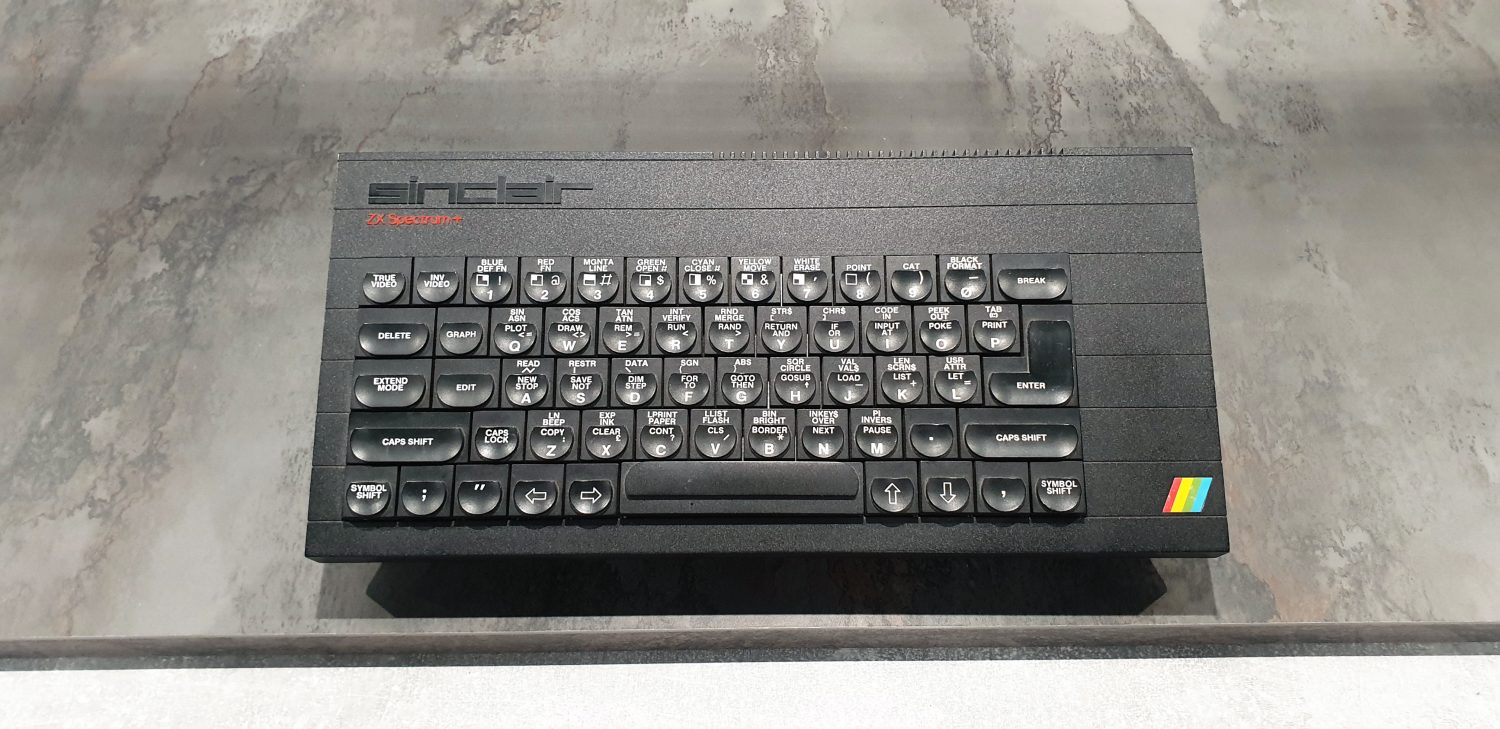
exhibits
It became a defining part of European home-computer culture.
The redesigned version of a computer that made programming accessible to an entire generation. Its small case contained a vast world of games, applications and creativity. It became a defining part of European home-computer culture. At the Museum, you can see the machine that inspired thousands of children to write their first code.
View exhibit →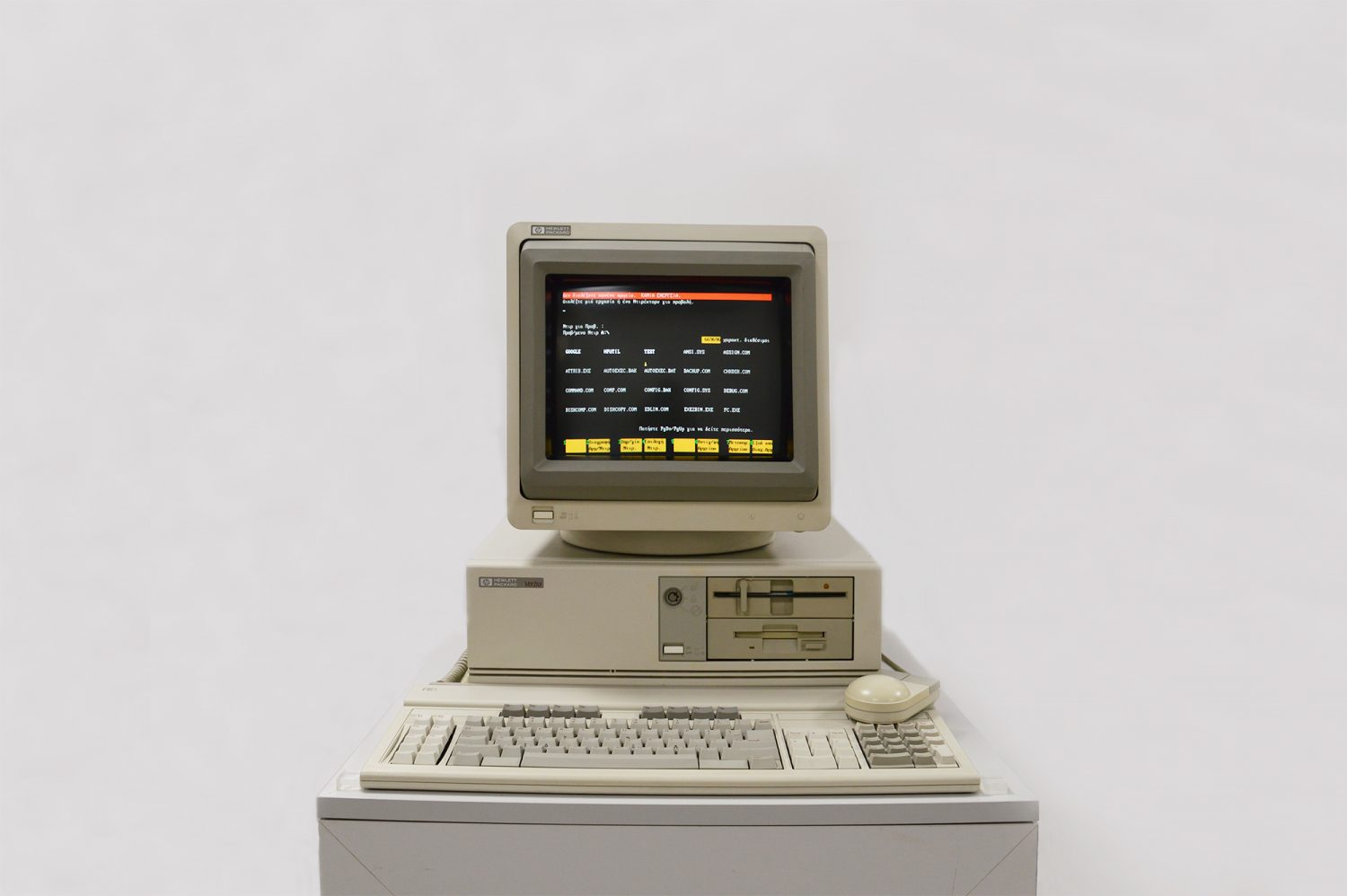
exhibits
One of the first computers with a touchscreen!
Hewlett-Packard’s first IBM PC-compatible personal computer. It represents the period when the IBM PC standard began to dominate the market. Compatibility allowed different manufacturers to share software and peripherals. At the Museum, you can understand how today’s world of compatible PCs took shape.
View exhibit →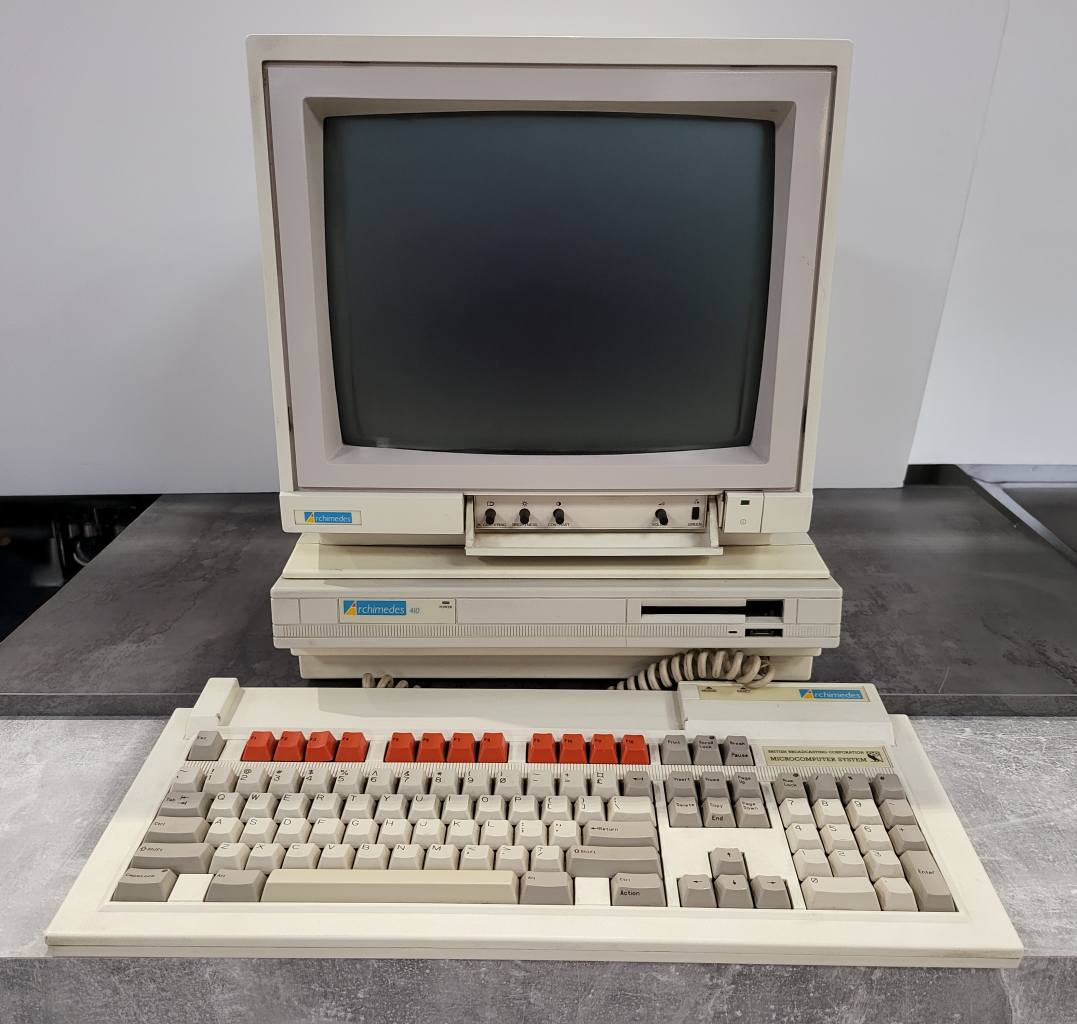
exhibits
It pioneered the ARM architecture that later powered billions of electronic devices.
The Acorn Archimedes A410 was a British personal computer from the original Archimedes family. It used the ARM2 processor, based on the new RISC architecture developed by Acorn. Archimedes computers were notable for their performance and became particularly important in education, as well as in scientific and professional applications.
View exhibit →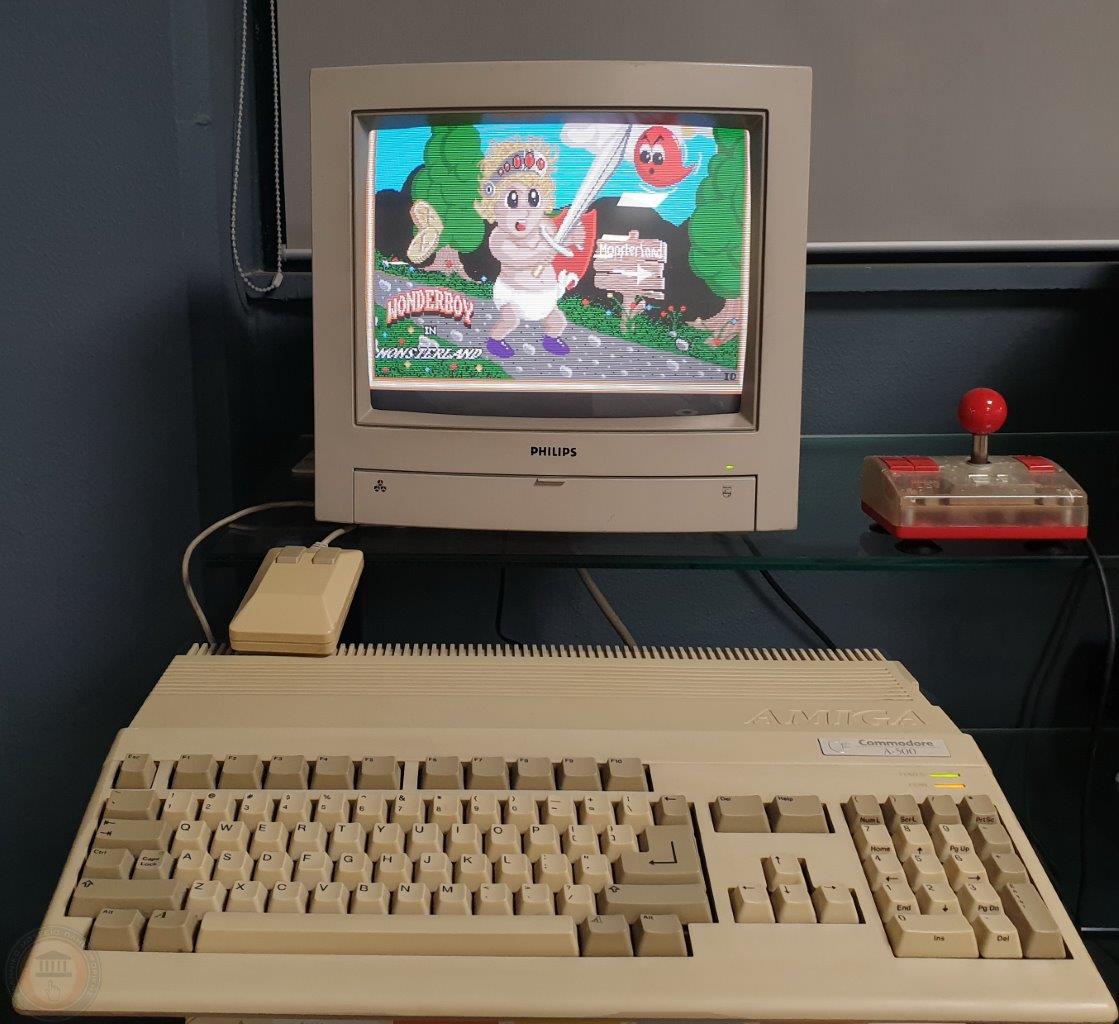
exhibits
Commodore Amiga 500
1987It brought advanced graphics, stereo sound and multitasking to affordable home computing.
A computer that brought advanced graphics, stereo sound and multitasking into the home. It was used for games, music, animation, video and creative applications. Its capabilities went far beyond what people expected from a home computer of the period. At the Museum, you discover why the Amiga still inspires passionate fans around the world.
View exhibit →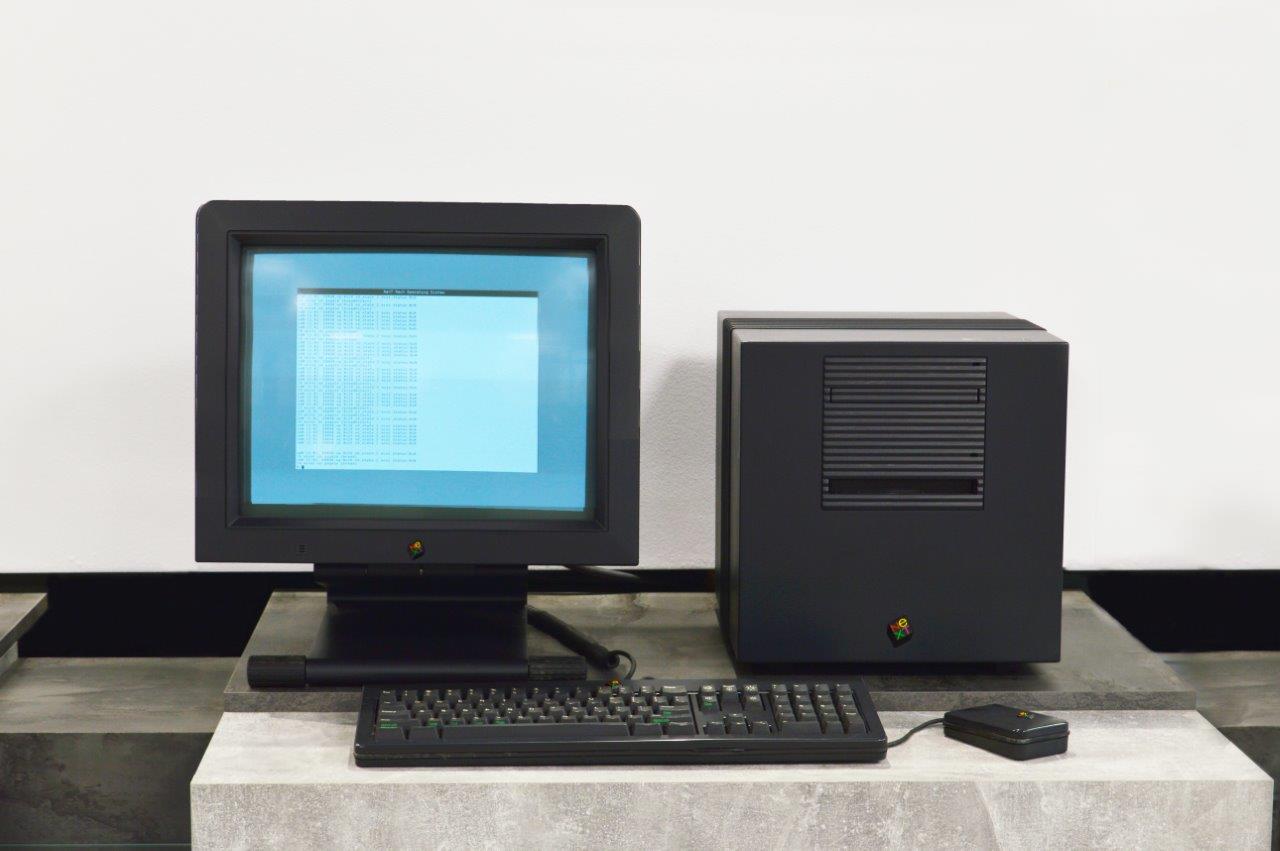
exhibits
A NeXT computer hosted the first web server and World Wide Web browser.
The striking black cube created by the company Steve Jobs founded after leaving Apple. Its NeXTSTEP operating system introduced advanced ideas later reflected in macOS and iOS. A NeXT computer was used to create the first web server and the first World Wide Web browser. At the Museum, you see a machine connecting Steve Jobs, Apple and the birth of the Web.
View exhibit →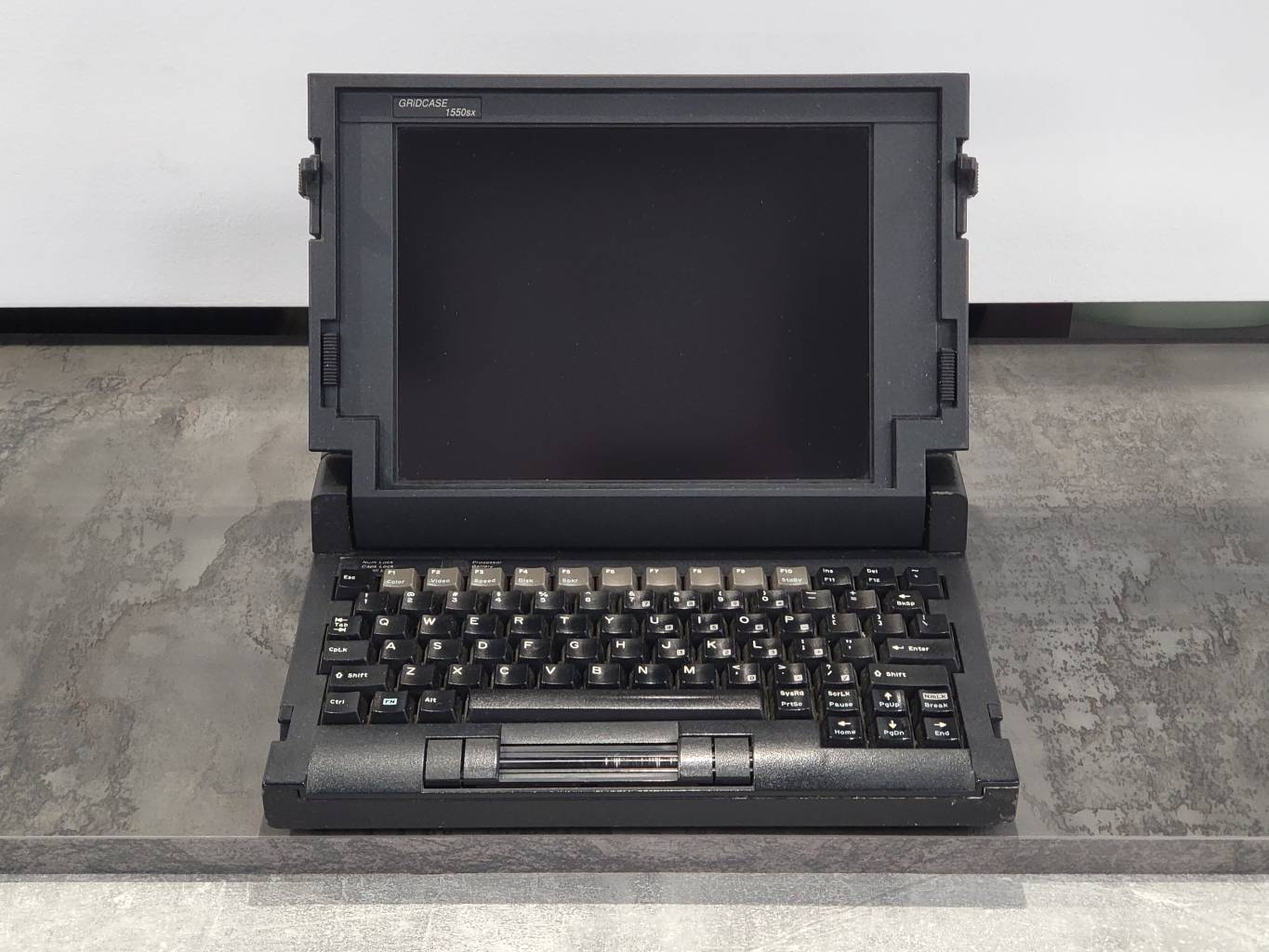
exhibits
GRiD Case 1550SX
1990From GRiD’s line of portable computers—the first to travel into space!
A rugged professional portable computer from one of the pioneering laptop manufacturers. After all, this laptop had been used by the US government for military reasons and from At the Museum, you can directly compare how different mobile computing once was.
View exhibit →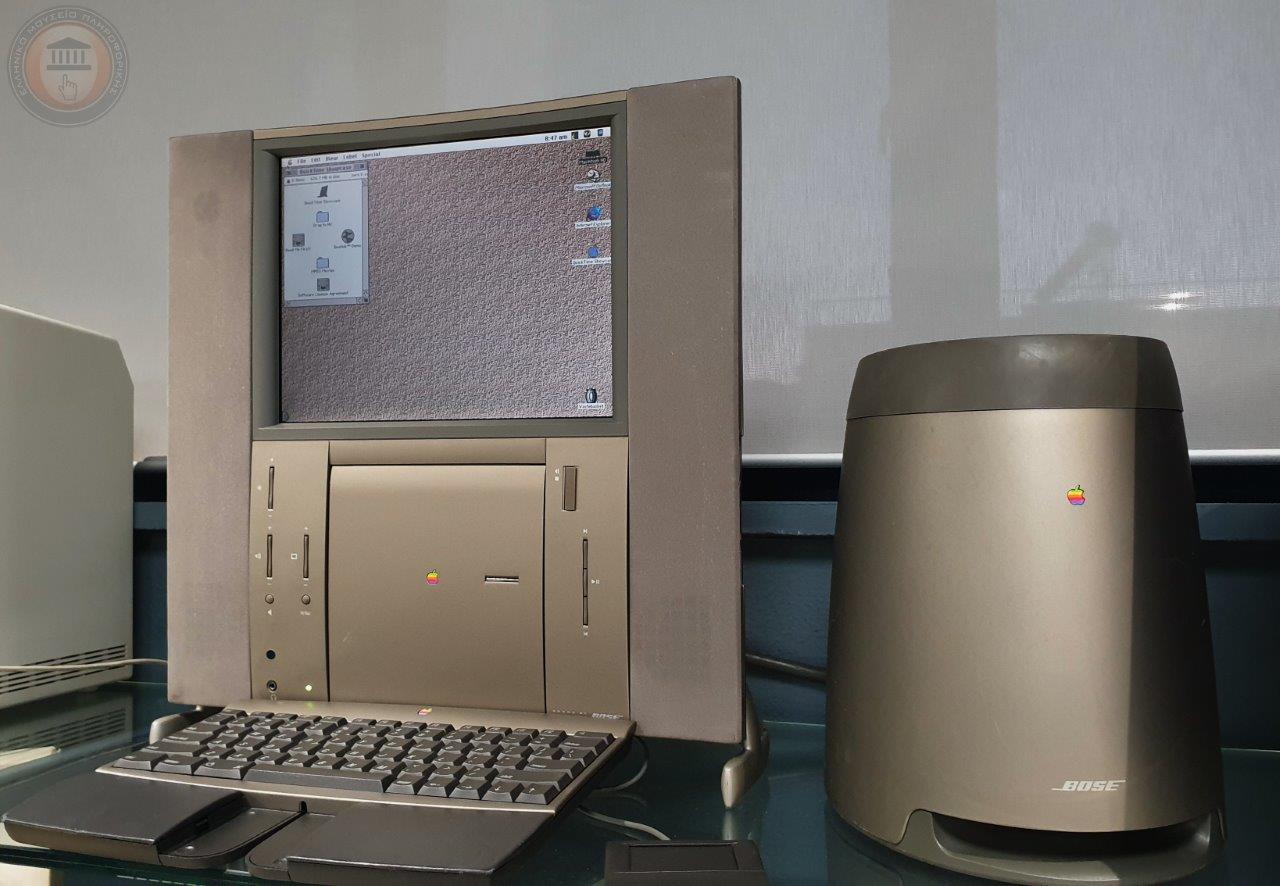
exhibits
It anticipated the slim, multimedia-focused and design-led all-in-one computers of modern homes.
The Twentieth Anniversary Macintosh was produced as a limited-edition computer commemorating twenty years since Apple’s foundation. It featured a slim flat-panel LCD, integrated television and radio capabilities and a separate Bose sound system. Its futuristic design and exceptionally high original price made it more of a technological showcase and collector’s item than a mass-market computer.
View exhibit →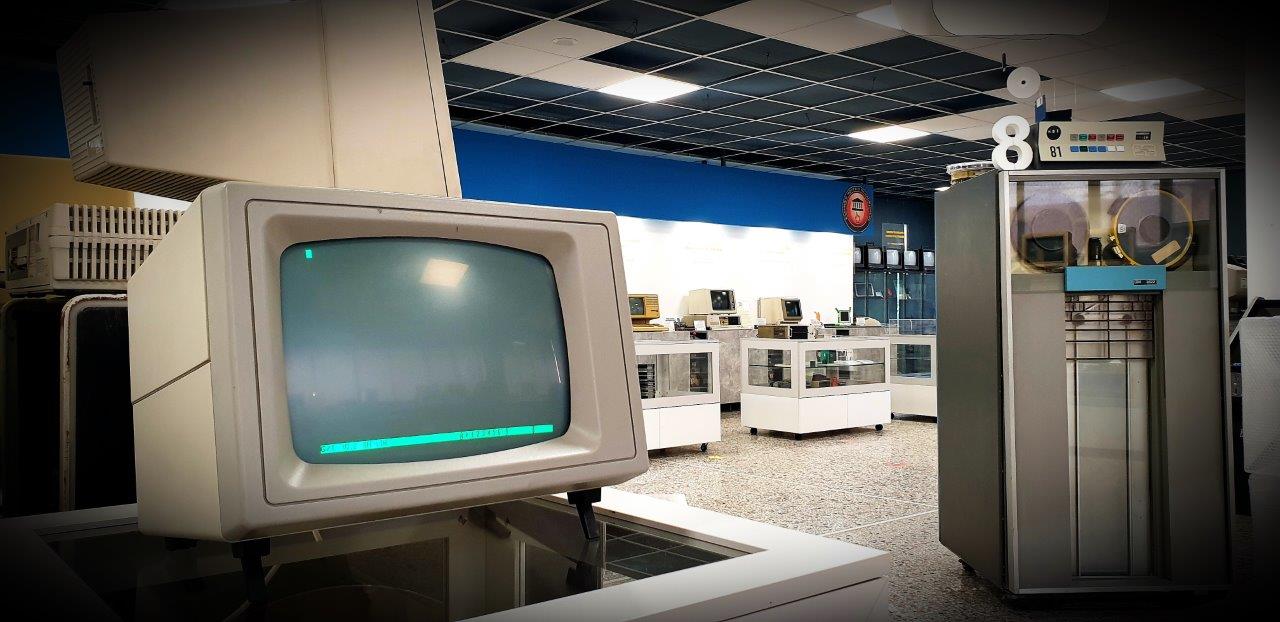
exhibits
It is valuable evidence of Greece’s participation in the development of computer hardware.
EKATI is a computer terminal produced by the Greek company Gigatronics and designed to communicate with a central computer system. Terminals did not normally operate as independent personal computers; instead, they allowed users to enter commands and view the results processed by a main computer. The exhibit documents a lesser-known aspect of the history of computing in Greece.
View exhibit →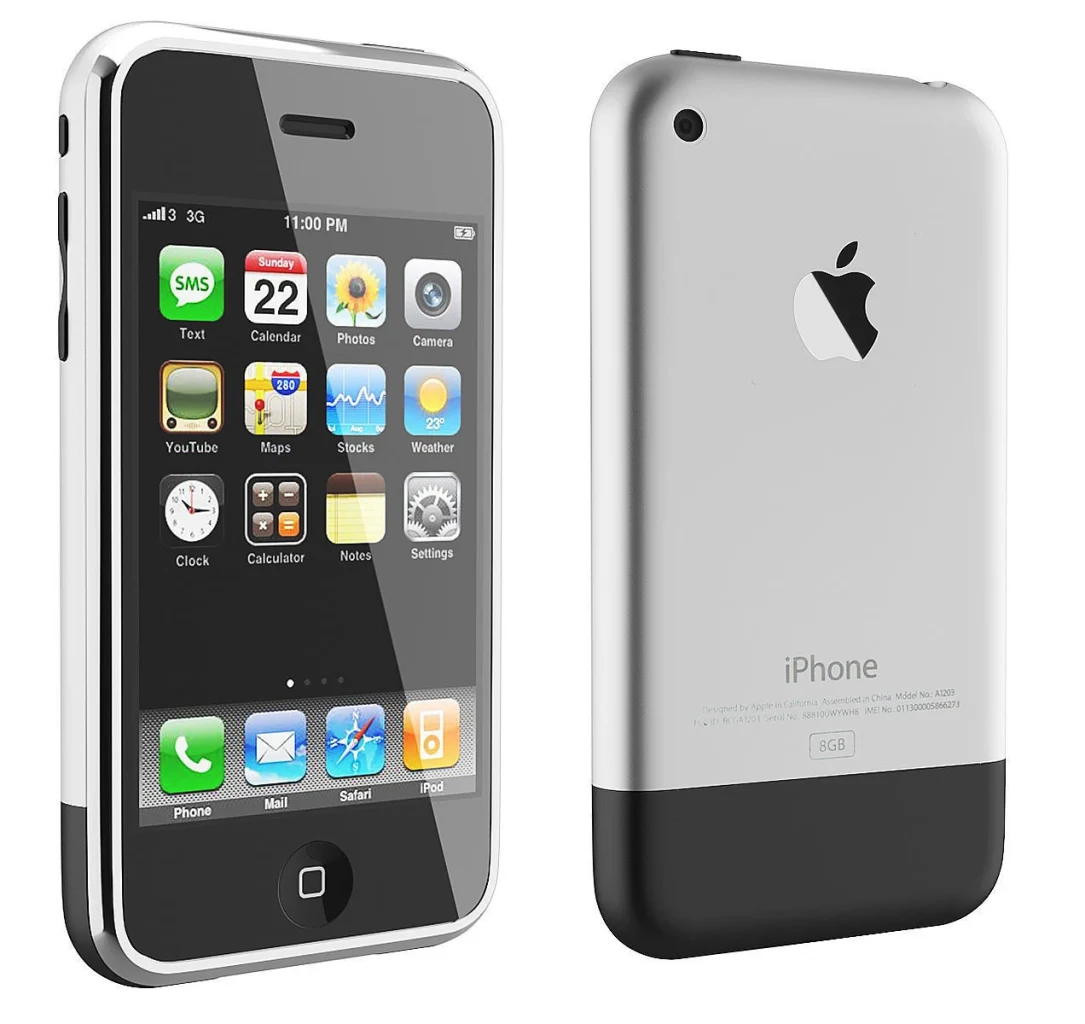
exhibits
Apple iPhone (2G)
2007It established multi-touch interaction as the defining interface of the modern smartphone.
The original iPhone combined a mobile phone, a music player and internet access in a single device built around a large multi-touch display. It was announced in January 2007 and released in the United States in June of the same year. By replacing the physical keyboard with a direct touch interface, it profoundly influenced the design of later smartphones.
View exhibit →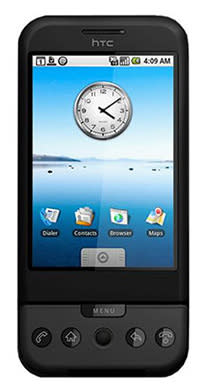
exhibits
HTC Dream
2008It was the first commercially released mobile phone powered by Android.
The HTC Dream, also known as the T-Mobile G1, was the first commercially released mobile phone to use the Android operating system. It featured a touchscreen, a sliding physical QWERTY keyboard, a trackball and access to the Android Market. Its introduction marked the beginning of the Android ecosystem, which developed into one of the world’s most important mobile platforms.
View exhibit →Εμφανίζονται 6 από 17